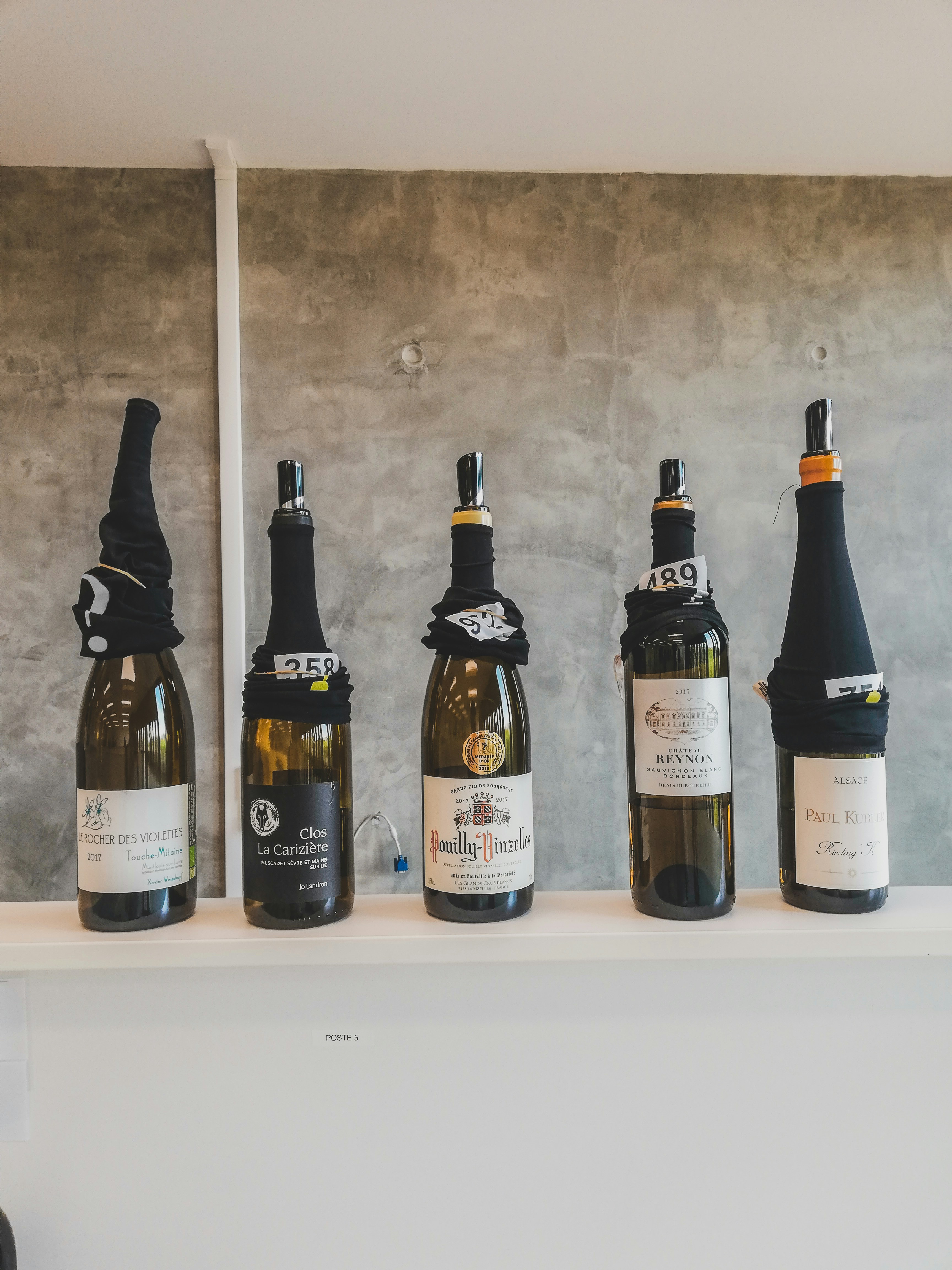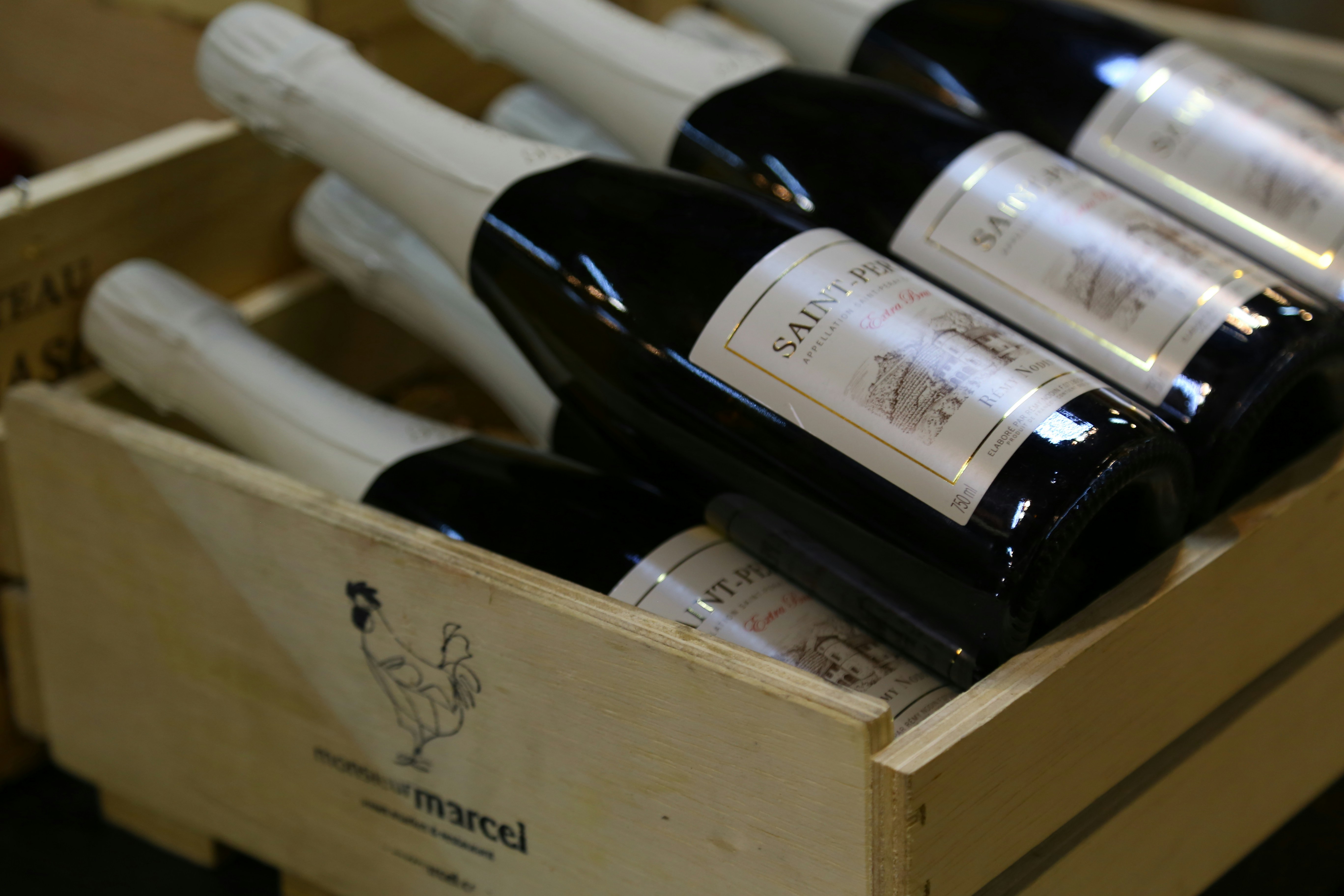
Wine Bottles Wholesale

Understanding Wholesale Wine Bottle Distribution

Understanding Wholesale Wine Bottle Distribution

Wholesale wine bottle distribution is a vital component of the wine supply chain, serving as a bridge between producers and retailers. Unlike retail sales, which involve direct sales to the end consumer, wholesale distribution facilitates the movement of large quantities of wine bottles from producers to retailers, restaurants, and other commercial entities. This process is crucial for ensuring that the wine reaches its intended market efficiently and cost-effectively.

Wholesalers and distributors play an integral role in this ecosystem. They typically buy wine in bulk directly from manufacturers or importers, allowing them to negotiate favorable prices and terms. For retailers, partnering with wholesalers provides access to a wider range of products without the need for substantial upfront investment or the complexities of directly dealing with multiple producers. This relationship not only simplifies the purchasing process but also enables retailers to offer a diverse selection of wines to their customers.

The distribution process involves several key stages, including sourcing, storing, and shipping wine bottles. Wholesalers must carefully select their inventory to maintain a balance between quality and variety, taking into account market demand and consumer preferences. Adequate storage facilities are crucial to preserve the wine’s integrity, as temperature fluctuations and exposure to light can adversely affect its quality.

Shipping is another critical aspect of wholesale wine bottle distribution. Timely delivery ensures that retailers can maintain adequate stock levels, which is essential for meeting customer demand. Additionally, compliance with industry regulations regarding the storage and transportation of alcoholic beverages is paramount. Adhering to these standards not only safeguards the quality of the wine but also upholds the integrity of the distribution chain. Overall, understanding wholesale wine bottle distribution is essential for producers, retailers, and consumers alike, as it plays a significant role in the success of the wine industry.

Choosing the Right Supplier for Wholesale Wine Bottles

When embarking on the journey of acquiring wholesale wine bottles, selecting the right supplier is crucial. The decision can significantly impact not only the quality of your offerings but also the overall efficiency of your operations. Several key factors should guide your supplier selection process.

First and foremost, evaluate the product range a supplier offers. A diverse selection of wine bottles is essential, as it allows businesses to cater to various preferences and styles. Suppliers that specialize in multiple types of bottles—from standard vineyards to premium options—can provide a comprehensive portfolio to meet your needs. Furthermore, consider the materials used in the bottles; options that employ sustainable practices can enhance the appeal to environmentally conscious consumers.

Pricing is another fundamental element. While it may be tempting to choose the supplier offering the lowest prices, it is essential to balance affordability with quality. Ensure that the pricing structure aligns with the market rates while also considering the value offered. This may involve assessing whether the supplier includes additional services, such as custom labeling or bottling options.

Reliability and service level are also critical criteria. A supplier’s ability to deliver on time and their responsiveness to inquiries can significantly affect your supply chain. Research their reputation in the industry, seeking reviews from other businesses to gauge their track record in customer service. Additionally, assess their delivery options—timely and flexible shipping solutions can help maintain inventory levels smoothly.

Finally, building a long-term relationship with your supplier should be a goal. Strong partnerships foster trust and open communication, enabling better product consistency and the opportunity for volume discounts. Engage regularly with your supplier and establish clear expectations to ensure mutual understanding and success in your wholesale wine bottle business.

Market Trends in Wholesale Wine Sales

The wholesale wine market is witnessing significant transformations influenced by evolving consumer preferences and purchasing behaviors. One of the most notable trends is the increasing demand for sustainability within the wine industry. More consumers are prioritizing environmentally responsible practices, leading to a rise in the popularity of organic and biodynamic wines. This trend encourages wholesalers to engage with suppliers who adhere to sustainable viticulture methods, thereby aligning themselves with consumer values and enhancing their market appeal.

Furthermore, the emergence of unique and diverse wine varieties is reshaping the landscape of wholesale wine sales. Consumers are moving beyond traditional options, exploring lesser-known varietals and regions. This shift creates opportunities for wholesalers to expand their portfolios by including niche wines that cater to adventurous palates. Additionally, as consumers seek authenticity and quality, the demand for artisanal, small-batch wines has surged, prompting wholesalers to establish relationships with boutique wineries.

Another significant development impacting wholesale wine sales is the growing trend of direct-to-consumer (DTC) sales models. With the rise of e-commerce, consumers increasingly prefer purchasing wines directly from producers rather than through retail outlets. This trend not only allows them to explore a wider range of options but also fosters a closer connection between producers and consumers. To remain competitive, wholesale distributors must adapt by enhancing their online presence and offering value-added services, such as curated selections and personalized recommendations.

In light of these trends, it is essential for wholesale wine distributors to stay adaptive and innovative. By understanding market dynamics and consumer behavior, they can refine their strategies, embrace sustainability, diversify their offerings, and tap into DTC models to effectively navigate the changing landscape of the wholesale wine market.

Marketing Strategies for Wholesale Wine Bottles

In the competitive landscape of wholesale wine bottle distribution, effective marketing strategies are crucial for differentiating offerings and capturing the attention of retailers. One of the most impactful methods is leveraging digital marketing. A robust online presence can significantly enhance visibility among potential clients. Setting up a user-friendly website that showcases the range of wholesale wine bottles available, along with details regarding pricing and customization options, can attract and convert leads. Moreover, incorporating a blog focusing on wine trends, bottling innovations, and tasting events not only positions the wholesaler as an industry expert but also improves search engine optimization (SEO), driving more traffic to the site.

Social media platforms serve as dynamic venues for engaging with clients and showcasing products. Through regular posts featuring new arrivals, behind-the-scenes content, and customer testimonials, wholesalers can build relationships with retailers. Platforms like Instagram are especially effective for visual storytelling, allowing businesses to highlight the aesthetic appeal of their wine bottles. Additionally, targeted advertising on social media can help reach specific demographics and geographic areas, increasing the likelihood of attracting local retailers.

Networking also plays a vital role in the promotional strategies for wholesale wine bottles. Participating in industry events such as trade shows, wine tastings, and food festivals offers opportunities to connect with potential clients. Engaging in face-to-face interactions allows wholesalers to demonstrate their products effectively while building long-lasting relationships within the industry. Collaborations with local wineries or culinary events can further enhance brand presence and credibility.

Ultimately, developing a compelling brand identity is essential for standing out in the wholesale wine bottle market. This involves creating a consistent message that resonates with potential clients through logo design, packaging, and overall presentation. By implementing these marketing strategies, wholesalers can improve visibility and successfully promote their offerings to retailers.
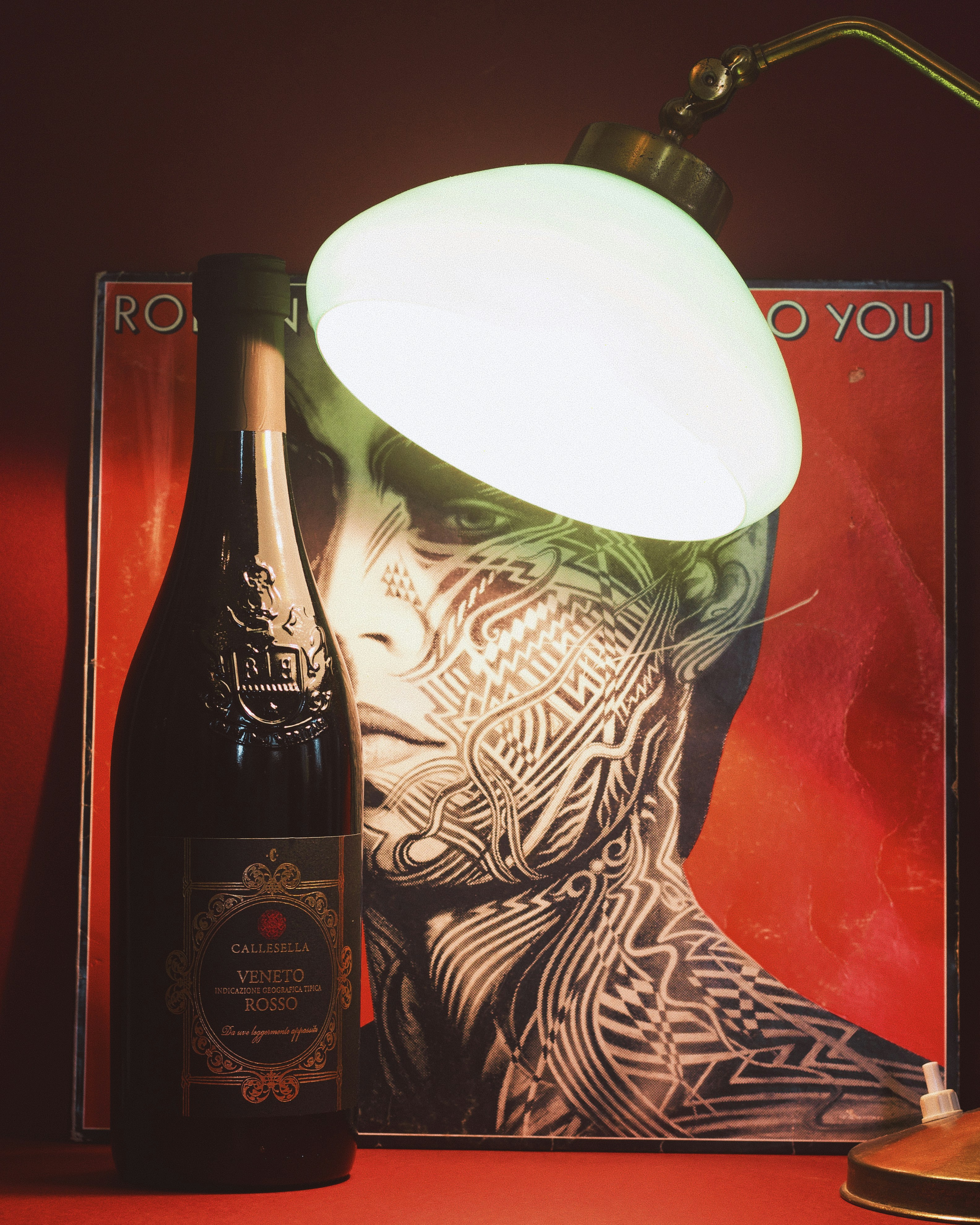
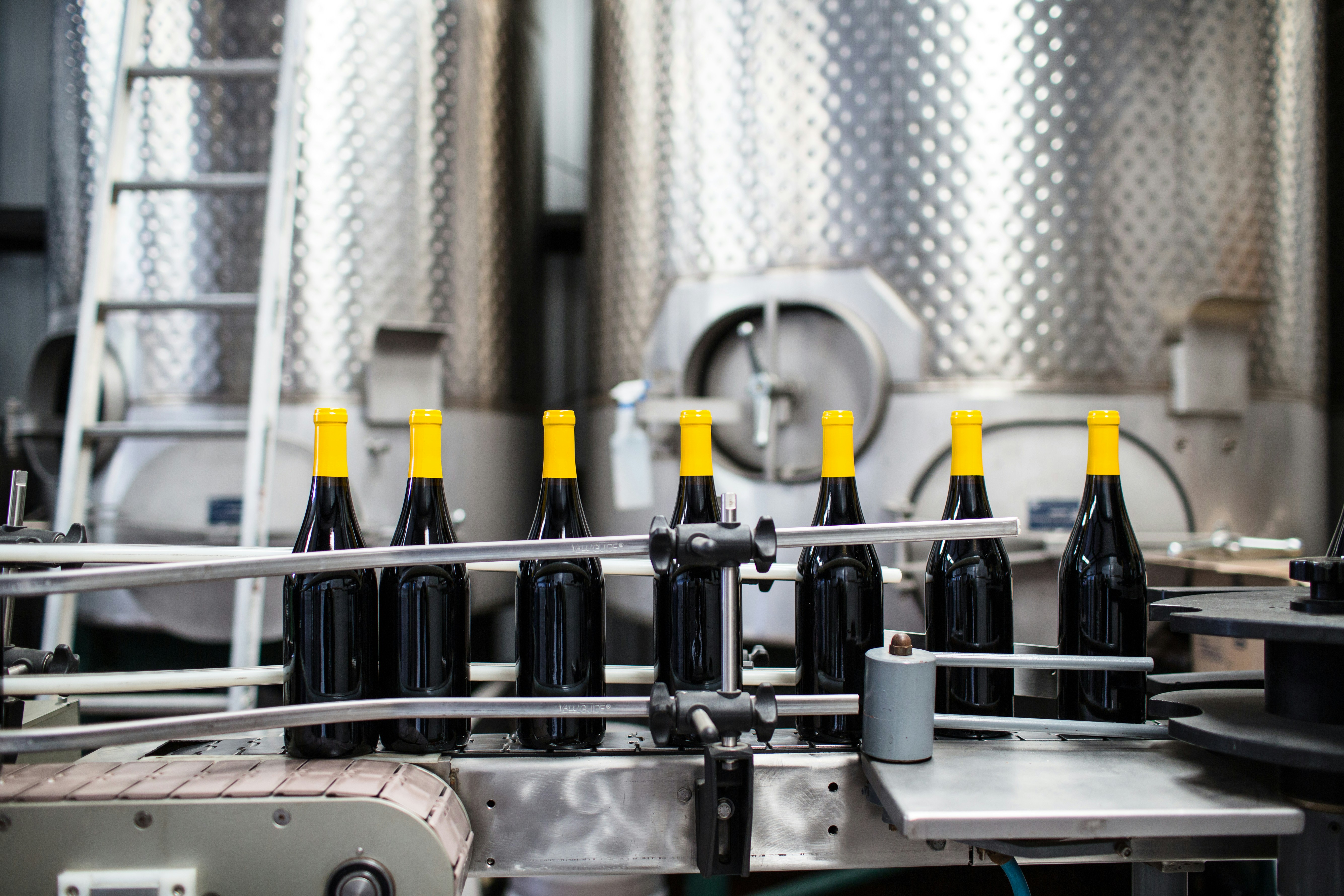
Design of glass wine bottles

Historical Evolution of Glass Wine Bottles

The journey of glass wine bottles begins with the ancient art of glass-making, which dates back to around 2000 BC in regions like Mesopotamia and Egypt. Initially, glass vessels were crafted by hand, resulting in irregular shapes and sizes. However, the techniques gradually evolved, leading to more refined and functional designs. The process of blowing glass, developed around the first century BC, allowed artisans to create hollow forms, paving the way for early bottle designs.

Throughout history, different civilizations influenced the shape and size of wine bottles. The Romans, for instance, used glass for storing and transporting wine, showcasing more uniform shapes thanks to advancements in glass-blowing techniques. This period saw the emergence of vessel forms that would eventually inspire contemporary bottle designs. In the Middle Ages, the production of glass bottles became more widespread, particularly in regions known for their wine, such as the Loire Valley in France.

A significant milestone occurred in the 17th century with the introduction of the Bordeaux bottle. This design featured a wider base and tall, straight sides, which not only provided stability but also facilitated easier stacking during transportation. The Bordeaux bottle soon became the standard for many wine regions, influencing the design of bottles worldwide. Another turning point was the onset of industrialization in the 19th century, which led to mass production and the introduction of green glass for better UV protection, revolutionizing accessibility for various wines.

The late 20th and early 21st centuries saw further innovations in glass wine bottle design, including lighter bottles, unique shapes, and even sustainable practices. Today, while traditional designs remain popular, emerging trends continue to honor the historical context of glass wine bottles while adapting to modern aesthetic and functional demands. This ongoing evolution reflects the deep cultural significance of wine and its container, encapsulating centuries of craftsmanship and artistry.

Materials and Manufacturing Processes

Glass wine bottles are crafted from various types of glass, primarily green, clear, and amber glass. Each variant serves a unique purpose, not only impacting the aesthetics of the bottle but also influencing the preservation of the wine within. Green glass, for instance, offers excellent protection against light, which can alter a wine’s flavor profile if exposed. Clear glass, while visually appealing, provides less protection, making it suitable for wines that are meant to be consumed shortly after bottling. Amber glass, primarily used for certain beer varieties, also protects contents from ultraviolet light, thereby extending shelf life.

The manufacturing process for these bottles typically involves several stages. Initially, raw materials such as silica sand, soda ash, and limestone are melted at high temperatures to form molten glass. Subsequent molding techniques, such as blow molding and press molding, shape this molten glass into bottles. Blow molding involves inflating the molten glass into a pre-formed mold, allowing for intricate designs. Press molding, on the other hand, utilizes a mechanical plunger to press the glass into shape, which can be more economical for producing larger quantities of simpler designs.

Following shaping, bottles undergo a tempering process. This involves reheating the bottles and then cooling them rapidly to increase strength and durability. The combination of materials and production methods directly impacts the final product’s longevity and environmental footprint. For instance, using recycled glass not only improves sustainability but can also reduce energy consumption during manufacturing. The choice of materials and processes ultimately influences the bottle’s durability, making it crucial for producers to balance functionality with aesthetic appeal. Understanding these factors can greatly benefit producers and consumers alike, leading to better choices within the competitive wine market.

Design Elements and Aesthetics

The aesthetic appeal of glass wine bottles is significantly influenced by various design elements, which include shape, color, labeling, and branding. Each of these factors plays a crucial role in attracting consumer attention and conveying the essence of the wine within. The shape of a bottle, for instance, is not merely a functional choice; it often reflects the type of wine contained. Traditional Bordeaux bottles, with their straight sides and high shoulders, signal a specific heritage, while the curvy Burgundy bottles suggest a different wine-making tradition. This careful consideration of form speaks to both functionality and artistry, allowing the bottle to stand out on the shelf.

Color is another essential aspect of wine bottle design, influencing both aesthetic appeal and the perception of quality. Darker tones, such as green or amber, are often employed to protect wine from light exposure, which can affect flavor. However, these colors can also convey messages of elegance and sophistication, further appealing to the consumer’s senses. Additionally, the use of color extends to the wine label, which serves as a branding tool. The choice of typography, imagery, and layout on the label can instill a sense of trust and desirability, greatly affecting purchasing decisions.

The psychological impact of these design elements should not be underestimated. Studies have shown that consumers are often influenced by the visual presentation of wine bottles; an appealing design can enhance their perception of the wine’s value. Trends in contemporary wine bottle aesthetics continue to evolve, with minimalistic designs gaining popularity, as well as eco-friendly packaging that appeals to conscious consumers. Iconic examples include brands that leverage unique bottle shapes or innovative labeling techniques to differentiate themselves in a crowded market. Such strategic design components not only enhance visual appeal but also reinforce brand identity and consumer loyalty.

Sustainability and Future Trends in Bottle Design

The importance of sustainability in glass wine bottle design has grown significantly in recent years, reflecting a broader awareness of environmental issues among consumers and producers alike. The production of traditional glass bottles can result in considerable carbon emissions, due to the energy-intensive processes involved. To mitigate this impact, many wineries are adopting practices that prioritize environmental responsibility. One such initiative is the use of recycled glass, which not only reduces the energy required for production but also aligns with a circular economy approach. By incorporating recycled materials, wineries contribute to less waste and the conservation of natural resources, ultimately enhancing their sustainability profile.

Another promising trend in sustainable bottle design is the shift toward lightweight bottles. These bottles use less raw material and require less energy during the production and transportation processes. Consequently, lightweight bottles can significantly lower a winery’s carbon footprint. Furthermore, consumers are increasingly favoring brands that prioritize sustainability, often willing to pay a premium for wine that is both high quality and environmentally friendly.

Looking toward the future, innovations in closure technology are expected to play a critical role in the sustainability of wine bottles. There is a growing interest in biodegradable cork alternatives and screw caps that enhance preservation while being environmentally conscious. Additionally, eco-friendly designs are anticipated to provide consumers with more options that not only meet their aesthetic preferences but also reflect their values concerning environmental stewardship.

Ultimately, as the industry evolves, consumers can expect to see a wider range of sustainable wine bottle options that demonstrate wineries’ commitments to reducing their environmental impact. This focus on sustainability is not merely a trend but a crucial component of the future of wine production and consumption.

Exploring the World of Wholesale Glass Wine Bottles

Understanding Wholesale Glass Wine Bottles

Wholesale glass wine bottles are a staple in the wine industry, representing a significant facet of packaging for producers, distributors, and retailers alike. Unlike retail packaging, which is often designed for aesthetic appeal and consumer attraction, wholesale bottles focus on functionality and cost-efficiency. The primary distinction resides in the quantity purchased and the packaging style. While retail bottles are marketed towards individual consumers, wholesale glass wine bottles are typically sold in bulk to businesses that require larger quantities for resale or production purposes.

The benefits of purchasing wholesale glass wine bottles include cost savings, increased supply reliability, and a wider selection of bottle types. Businesses in the wine sector often see significant discounts when they buy in larger volumes, allowing them to manage their budget more effectively. Moreover, obtaining bottles wholesale ensures a consistent supply, which is crucial for any business hoping to maintain inventory levels and meet market demand.

Various sizes and shapes of wholesale glass wine bottles are available, catering to diverse needs and preferences within the industry. Standard options include Bordeaux, Burgundy, and Champagne bottles, each designed with unique dimensions and characteristics to best suit different wine varietals. Smaller bottles, such as 375ml or 500ml options, are gaining in popularity as a convenient choice for tastings and events. Conversely, larger formats, such as magnums, are often sought for special occasions and gift-giving.

Businesses frequently opt for wholesale purchases when they anticipate a high volume of sales, providing an opportunity for greater margin control and efficient packaging solutions. In summary, understanding wholesale glass wine bottles empowers companies to make informed purchasing decisions tailored to their specific operational needs.

Customization Options for Glass Wine Bottles

In the competitive wine industry, the significance of branding cannot be overstated. Wineries and wine distributors are continually seeking ways to differentiate their products, and customizing glass wine bottles presents a lucrative opportunity to enhance product presentation. Customized bottles not only attract consumer attention but also communicate the unique story and identity of the wine, leading to a stronger market presence.

There are various customization options available for glass wine bottles, including shape, size, and color. Unique bottle shapes can create a memorable image for the brand, allowing it to stand out on retail shelves. Furthermore, color choices can influence consumer perception, with darker tones often perceived as premium, while lighter shades may suggest freshness. Additionally, wineries can opt for frosted or etched bottles, adding textural elements that enhance tactile interaction during the purchase process.

Labeling is another critical aspect of the customization process. Producers can choose from a range of materials, finishes, and sizes to create labels that reflect their brand’s identity. High-quality printing techniques can incorporate vibrant colors, intricate graphics, and even embossing, adding a layer of sophistication to the packaging. It’s essential for wineries to ensure that labels not only tell the story of the wine but also comply with legal labeling requirements.

It’s important to note that customizing glass wine bottles can have varying cost implications. While some options may be more budget-friendly, more intricate customizations such as unique shapes or specialized labeling can significantly increase production costs. Wineries should weigh these factors against expected returns, ensuring that their branding strategy aligns with their overall marketing objectives. By investing in customized glass bottles, brands can create a lasting impression that resonates with consumers, ultimately fostering loyalty and driving sales.

Choosing the Right Manufacturer for Glass Wine Bottles

When selecting a manufacturer for glass wine bottles, it is crucial to consider several key criteria to ensure a successful partnership. One of the primary factors is the manufacturer’s experience in the industry. Established manufacturers based in China often have a wealth of knowledge and expertise that can be beneficial in developing high-quality products that meet specific needs. Their experience typically translates to better understanding of market trends, design innovations, and quality control measures.

Quality assurance is another vital aspect to evaluate. A reputable manufacturer will have stringent quality control processes to ensure that the glass wine bottles produced meet international standards. This includes the use of high-grade materials and state-of-the-art production techniques, which contribute to the longevity and appearance of the bottles. Requesting samples from potential manufacturers can help in assessing their quality firsthand before making a bulk order.

Production capacity is equally important, especially for businesses that anticipate increased demand. A reliable manufacturer should have the capability to fulfill large orders without significant delays. This can be gauged by inquiring about their current production processes, technology used, and workforce experience. Additionally, turnaround times for orders must align with your business needs to avoid any disruption in your supply chain.

Customer service is often overlooked but is critical in establishing a solid relationship with your manufacturer. A responsive and approachable manufacturer can facilitate smoother communication, allow for prompt problem resolution, and provide valuable insights or suggestions. Manufacturers that prioritize customer service are likely to foster a collaborative environment that can lead to better overall business outcomes.

By meticulously evaluating these criteria, companies can select a dependable glass wine bottle manufacturer that offers competitive pricing while ensuring quality standards are met. This strategic approach is essential for businesses looking to thrive in the competitive wine industry.

Innovative Designs in Glass Wine Bottles

The design of glass wine bottles has undergone a significant transformation in recent years, reflecting both aesthetic desires and practical needs. As consumer preferences evolve, wineries have increasingly recognized the importance of innovative designs that not only capture attention but also enhance the convenience and sustainability of their products.Ergonomic shapes have emerged as a popular trend, allowing for easier handling and pouring. These designs cater to the modern consumer’s desire for functionality without compromising on style.

Moreover, the growing emphasis on eco-friendliness has led many producers to explore sustainable materials and manufacturing processes. Recycled glass, for instance, is becoming more prevalent as wineries seek to minimize their environmental impact. Innovative techniques, such as lightweight bottle designs, not only reduce waste but also lower transportation costs, thus contributing to a more sustainable supply chain. This shift towards eco-conscious practices is not only beneficial for the planet but also aligns with consumer values, as many are more inclined to support brands that prioritize sustainability.

Aesthetic enhancements also play a crucial role in the appeal of glass wine bottles. Unique color choices, elegant labeling, and distinctive bottle shapes can significantly influence purchasing decisions. For instance, some wineries have adopted custom-shaped bottles that represent their brand’s identity, offering a competitive edge in a saturated market. Examples include bottles resembling historical artifacts or designs inspired by local culture, which can evoke a sense of place and heritage, further engaging the consumer’s interest.

In this context, it is clear that innovative designs in glass wine bottles are essential for wineries looking to differentiate themselves and establish a strong brand identity. By focusing on ergonomic, eco-friendly, and aesthetically pleasing designs, wineries can not only enhance their products’ marketability but also foster deeper connections with their consumers, ultimately shaping the future of wine packaging.

Understanding Wholesale Wine Purchases

When it comes to acquiring wine, purchasing wine bottles wholesale offers a variety of advantages, particularly for retailers and event planners. Many businesses are turning to wholesale suppliers to source their inventory at a reduced cost, enhancing profitability. By buying in bulk, you can save significantly on each bottle purchased, making this an attractive option in today’s competitive market.

Quality Assurance in Wholesale Wine

It’s a common misconception that wholesale wine bottles come with quality issues. However, reputable suppliers ensure that their products meet stringent standards. When selecting wine bottles wholesale, work with trusted brands that guarantee quality. This not only maintains your reputation but also promotes customer satisfaction. Many wholesale suppliers offer a range of renowned labels and vintages that appeal to diverse consumer preferences.

Convenience and Variety

Another compelling reason to consider wine bottles wholesale is the convenience it offers. Buying in bulk streamlines the purchasing process and allows businesses to stock a wider variety of wines without frequent reorder hassles. This is particularly beneficial for retailers and caterers who seek to provide customers with a broad selection. Additionally, many wholesalers provide delivery services, reducing logistical headaches.

In summary, purchasing wine bottles wholesale is an effective strategy for businesses looking to optimize costs while ensuring quality and variety. As the wine market continues to evolve, embracing wholesale options can significantly enhance your operational efficiency and customer offerings.

Whether you are a wholesaler, manufacturer, or brand owner, our comprehensive one-stop service includesbottle capsandvarious

We pride ourselves in being one of the highly sought-after Chinese glass bottle manufacturing companies that work to produce glass bottles from scratch.We offer a wide range of existing molds and in-stock glass bottles for wholesale, alongside custom high-quality glass packaging.