
Understanding Wholesale Glass Wine Bottles
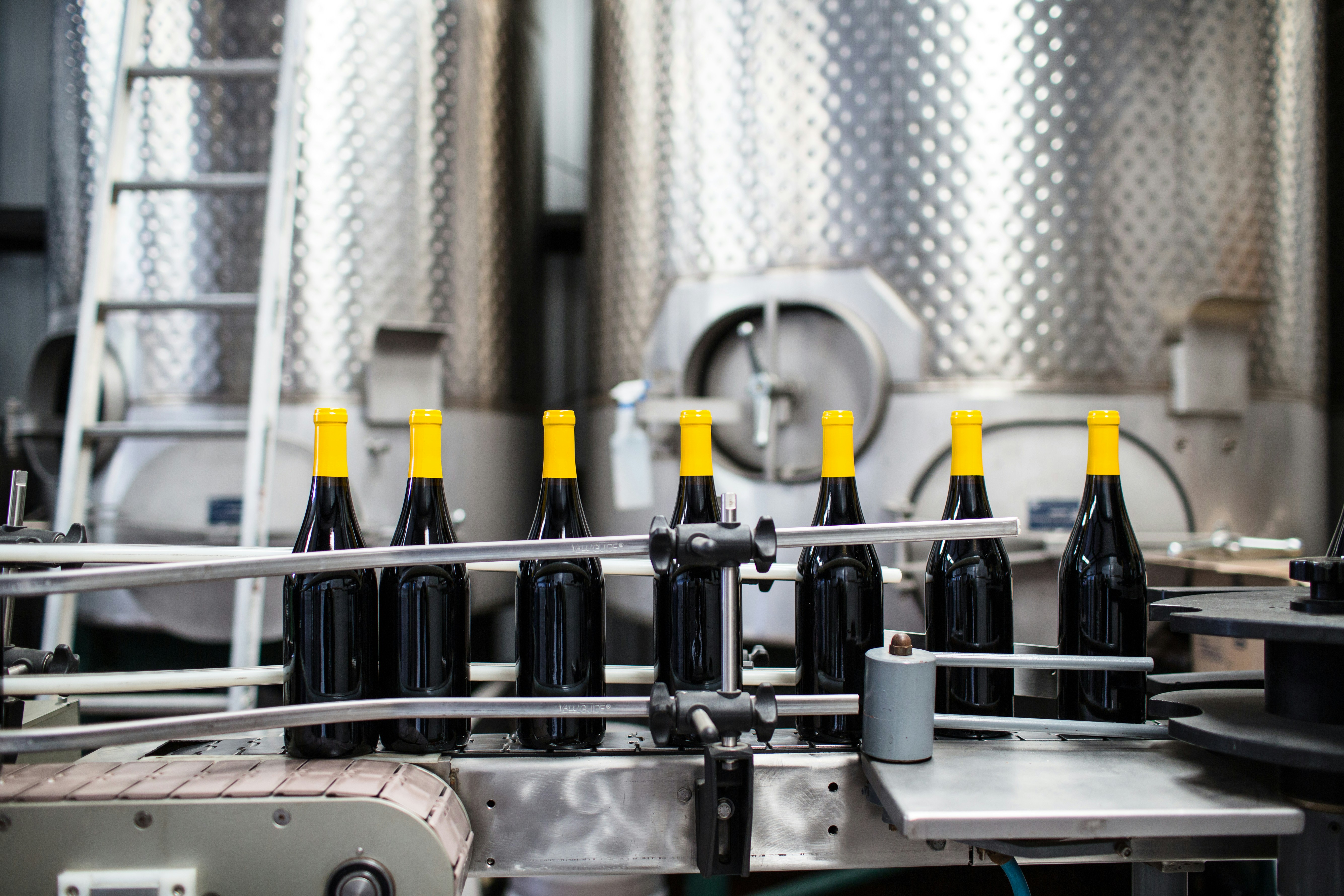
Wholesale glass wine bottles are a staple in the wine industry, representing a significant facet of packaging for producers, distributors, and retailers alike. Unlike retail packaging, which is often designed for aesthetic appeal and consumer attraction, wholesale bottles focus on functionality and cost-efficiency. The primary distinction resides in the quantity purchased and the packaging style. While retail bottles are marketed towards individual consumers, wholesale glass wine bottles are typically sold in bulk to businesses that require larger quantities for resale or production purposes.
The benefits of purchasing wholesale glass wine bottles include cost savings, increased supply reliability, and a wider selection of bottle types. Businesses in the wine sector often see significant discounts when they buy in larger volumes, allowing them to manage their budget more effectively. Moreover, obtaining bottles wholesale ensures a consistent supply, which is crucial for any business hoping to maintain inventory levels and meet market demand.
Various sizes and shapes of wholesale glass wine bottles are available, catering to diverse needs and preferences within the industry. Standard options include Bordeaux, Burgundy, and Champagne bottles, each designed with unique dimensions and characteristics to best suit different wine varietals. Smaller bottles, such as 375ml or 500ml options, are gaining in popularity as a convenient choice for tastings and events. Conversely, larger formats, such as magnums, are often sought for special occasions and gift-giving.
Businesses frequently opt for wholesale purchases when they anticipate a high volume of sales, providing an opportunity for greater margin control and efficient packaging solutions. In summary, understanding wholesale glass wine bottles empowers companies to make informed purchasing decisions tailored to their specific operational needs.
Customization Options for Glass Wine Bottles
In the competitive wine industry, the significance of branding cannot be overstated. Wineries and wine distributors are continually seeking ways to differentiate their products, and customizing glass wine bottles presents a lucrative opportunity to enhance product presentation. Customized bottles not only attract consumer attention but also communicate the unique story and identity of the wine, leading to a stronger market presence.
There are various customization options available for glass wine bottles, including shape, size, and color. Unique bottle shapes can create a memorable image for the brand, allowing it to stand out on retail shelves. Furthermore, color choices can influence consumer perception, with darker tones often perceived as premium, while lighter shades may suggest freshness. Additionally, wineries can opt for frosted or etched bottles, adding textural elements that enhance tactile interaction during the purchase process.
Labeling is another critical aspect of the customization process. Producers can choose from a range of materials, finishes, and sizes to create labels that reflect their brand’s identity. High-quality printing techniques can incorporate vibrant colors, intricate graphics, and even embossing, adding a layer of sophistication to the packaging. It’s essential for wineries to ensure that labels not only tell the story of the wine but also comply with legal labeling requirements.
It’s important to note that customizing glass wine bottles can have varying cost implications. While some options may be more budget-friendly, more intricate customizations such as unique shapes or specialized labeling can significantly increase production costs. Wineries should weigh these factors against expected returns, ensuring that their branding strategy aligns with their overall marketing objectives. By investing in customized glass bottles, brands can create a lasting impression that resonates with consumers, ultimately fostering loyalty and driving sales.
Choosing the Right Manufacturer for Glass Wine Bottles
When selecting a manufacturer for glass wine bottles, it is crucial to consider several key criteria to ensure a successful partnership. One of the primary factors is the manufacturer’s experience in the industry. Established manufacturers based in China often have a wealth of knowledge and expertise that can be beneficial in developing high-quality products that meet specific needs. Their experience typically translates to better understanding of market trends, design innovations, and quality control measures.
Quality assurance is another vital aspect to evaluate. A reputable manufacturer will have stringent quality control processes to ensure that the glass wine bottles produced meet international standards. This includes the use of high-grade materials and state-of-the-art production techniques, which contribute to the longevity and appearance of the bottles. Requesting samples from potential manufacturers can help in assessing their quality firsthand before making a bulk order.
Production capacity is equally important, especially for businesses that anticipate increased demand. A reliable manufacturer should have the capability to fulfill large orders without significant delays. This can be gauged by inquiring about their current production processes, technology used, and workforce experience. Additionally, turnaround times for orders must align with your business needs to avoid any disruption in your supply chain.
Customer service is often overlooked but is critical in establishing a solid relationship with your manufacturer. A responsive and approachable manufacturer can facilitate smoother communication, allow for prompt problem resolution, and provide valuable insights or suggestions. Manufacturers that prioritize customer service are likely to foster a collaborative environment that can lead to better overall business outcomes.
By meticulously evaluating these criteria, companies can select a dependable glass wine bottle manufacturer that offers competitive pricing while ensuring quality standards are met. This strategic approach is essential for businesses looking to thrive in the competitive wine industry.
Innovative Designs in Glass Wine Bottles
The design of glass wine bottles has undergone a significant transformation in recent years, reflecting both aesthetic desires and practical needs. As consumer preferences evolve, wineries have increasingly recognized the importance of innovative designs that not only capture attention but also enhance the convenience and sustainability of their products.Ergonomic shapes have emerged as a popular trend, allowing for easier handling and pouring. These designs cater to the modern consumer’s desire for functionality without compromising on style.
Moreover, the growing emphasis on eco-friendliness has led many producers to explore sustainable materials and manufacturing processes. Recycled glass, for instance, is becoming more prevalent as wineries seek to minimize their environmental impact. Innovative techniques, such as lightweight bottle designs, not only reduce waste but also lower transportation costs, thus contributing to a more sustainable supply chain. This shift towards eco-conscious practices is not only beneficial for the planet but also aligns with consumer values, as many are more inclined to support brands that prioritize sustainability.
Aesthetic enhancements also play a crucial role in the appeal of glass wine bottles. Unique color choices, elegant labeling, and distinctive bottle shapes can significantly influence purchasing decisions. For instance, some wineries have adopted custom-shaped bottles that represent their brand’s identity, offering a competitive edge in a saturated market. Examples include bottles resembling historical artifacts or designs inspired by local culture, which can evoke a sense of place and heritage, further engaging the consumer’s interest.
In this context, it is clear that innovative designs in glass wine bottles are essential for wineries looking to differentiate themselves and establish a strong brand identity. By focusing on ergonomic, eco-friendly, and aesthetically pleasing designs, wineries can not only enhance their products’ marketability but also foster deeper connections with their consumers, ultimately shaping the future of wine packaging.